Window Tint for Home: Heat, UV, Privacy
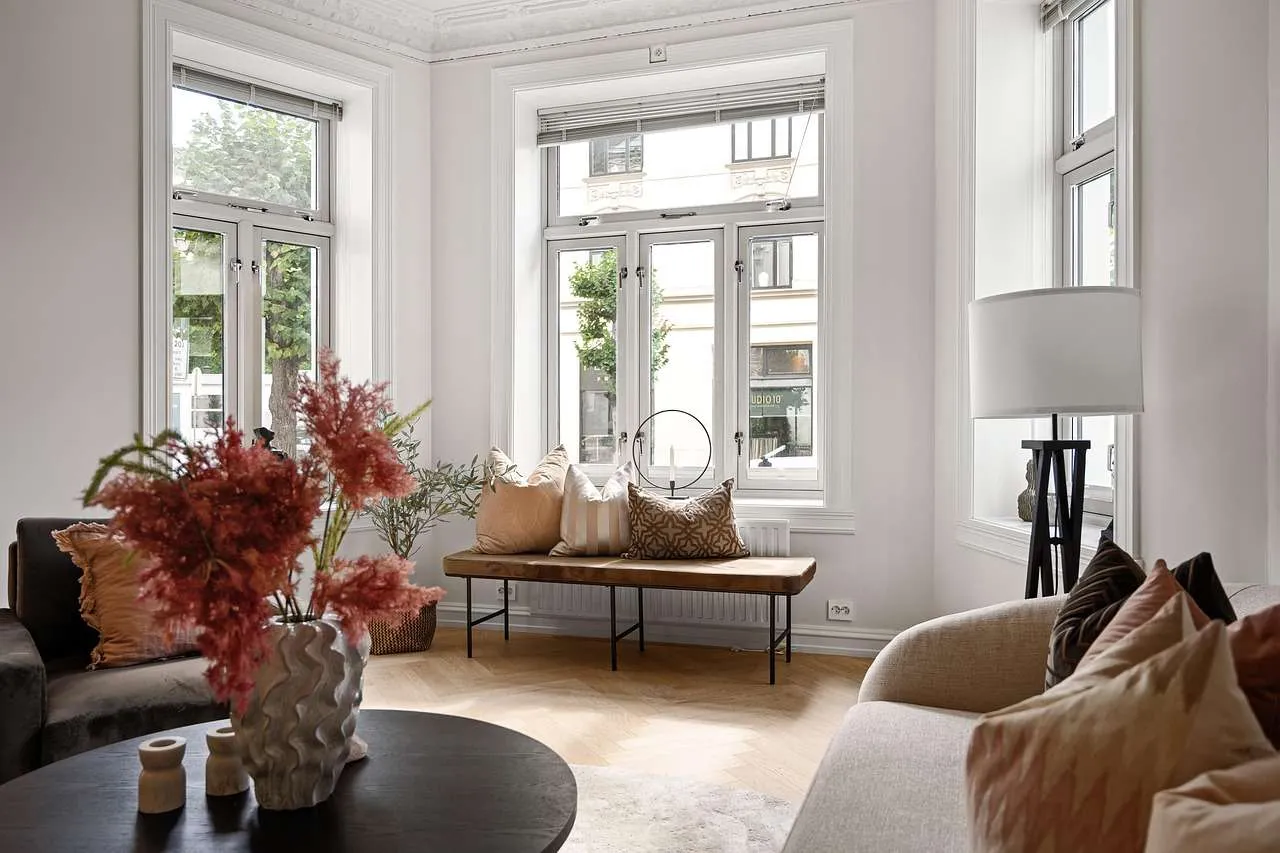
Window tint for home refers to applying a tinted film on interior or exterior glass to reduce heat, block UV, and improve privacy. Modern residential films come in a range of shades and performances, so you can pick a solution that fits climate, architectural style, and budget.
Understanding how window tint works
Window films are thin layers that reflect or absorb a portion of solar radiation. The key performance metrics are visible light transmission (VLT), solar heat gain coefficient (SHGC), and UV rejection. Higher VLT means more light passes through; SHGC indicates how much heat the film allows to pass. Quality films block up to 99 percent of UV rays, helping protect furnishings from fading. Most films are made from polyester with a durable adhesive, and some include ceramic or metal particles to enhance heat rejection without sacrificing clarity.
Benefits for homes
Energy savings
By reducing solar heat gain, tint lowers cooling loads in summer and can reduce energy costs. Expect energy savings that vary with climate, orientation, and film choice, typically in the low to mid double digits of cooling energy load. Ceramic and carbon films generally offer the strongest long term performance while staying relatively light in appearance.
UV protection and interior protection
Most window films block nearly all UV radiation, guarding carpets, fabrics, and artwork from fading while reducing glare for screens and reading areas. This protection helps extend the life of furniture and helps maintain color accuracy in rooms with bright sun exposure.
Privacy and aesthetics
Tinted glass enhances daytime privacy and creates a sleek look. However, some front windows have legal visibility requirements; confirm local rules before installation. For occupants who value natural light, choose a film with a higher VLT to balance privacy with brightness.
Choosing the right tint for your home
Consider climate, sun exposure, room use, and window orientation. For rooms facing south or west, a darker film with a lower SHGC can curb heat more effectively. If you have valuable furnishings, a film with high UV protection is essential. Privacy needs vary by room; daytime privacy can be achieved with mid range VLT while preserving light. Think about noise levels, view needs, and whether the film’s appearance from the outside matters to curb a reflective or metallic look.
Film types and what they offer
Dyed films
Dyed films are affordable and provide color and glare reduction but may fade and offer moderate UV protection over time.
Metalized films
Metalized or metallic films reflect a portion of sunlight, delivering strong heat rejection and improved shatter resistance, but they can interfere with wireless signals and may show more noticeable tint at night.
Ceramic films
Ceramic films offer high heat rejection and UV protection without metal interference or color shift. They tend to be more expensive but preserve light and do not interfere with electronics.
Carbon and other premium films
Carbon films provide a natural, non-reflective tint with good heat rejection and UV blocking. They maintain color stability over time but represent a higher upfront cost.
Installation and maintenance
For best results, hire a licensed installer with proven experience. A professional will measure, fit, and seal edges to prevent peeling. Avoid abrasive cleaners and ammonia-based solutions that can damage the film. Clean with mild soap and water and dry with a microfiber cloth. Most films come with warranties that cover bubbling or delamination for a specified period, and the installer should provide maintenance guidance to preserve adhesion and clarity.
Cost and return on investment
Residential window tint costs vary by film type, size, and labor. Basic dyed films may start at lower per-square-foot rates, while ceramic and premium carbon films command higher prices. A typical ROI comes from energy savings, reduced glare, and furniture protection, often within a few years depending on climate and usage. Warranties and the film brand chosen can influence long-term value.
Comparison at a glance
| Film Type | UV Rejection | SHGC | VLT | Pros | Cons | Approx. Cost per sq ft |
|---|---|---|---|---|---|---|
| Dyed | Up to 99% | Moderate | Medium to High | Affordable glare reduction | May fade over time | 2–4 USD |
| Metalized | High | Low | Low to Medium | Strong heat rejection | Signals interference risk | 3–6 USD |
| Ceramic | Very high | Low | Medium | Best overall performance | Higher cost | 5–9 USD |
| Carbon | Very high | Low | Low | Non reflective, durable | Higher cost | 4–7 USD |
Find a reputable installer
Request references, read customer reviews, and verify warranties. Ask about the film brand and whether the installer is trained to handle edge sealing and safety installation. Ensure they provide a written guarantee for performance and a written maintenance plan to keep the film clean and intact. A trusted installer will walk you through the expected curing or drying times and schedule an on-site inspection after installation.
Conclusion
Summary, window tint for home offers practical comfort by controlling heat, blocking UV, and increasing privacy while protecting furnishings. By selecting the right film, considering climate and room use, and hiring a qualified installer, homeowners can improve energy efficiency, aesthetics, and everyday living without compromising safety or legality.