Home Window Tint: Comfort, Privacy, Savings
What is home window tint?
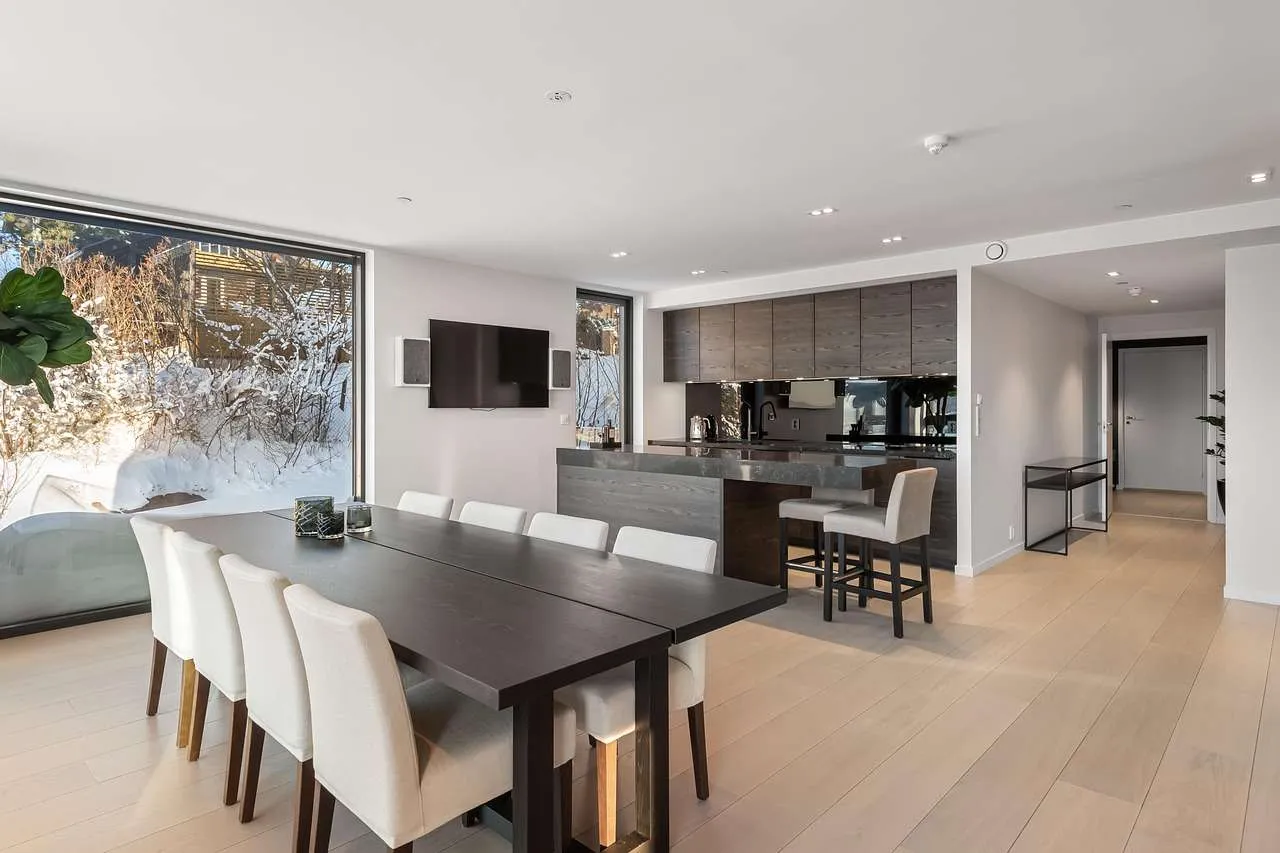
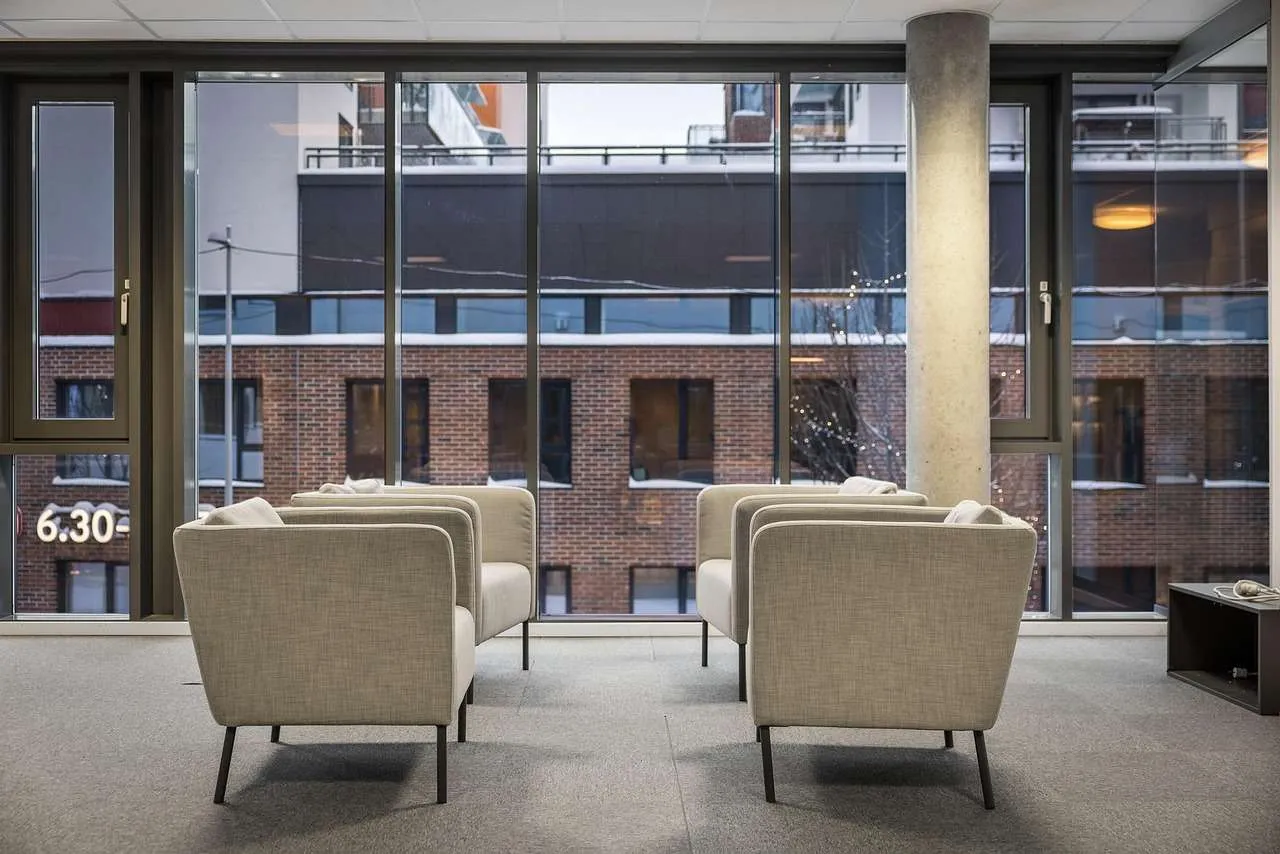
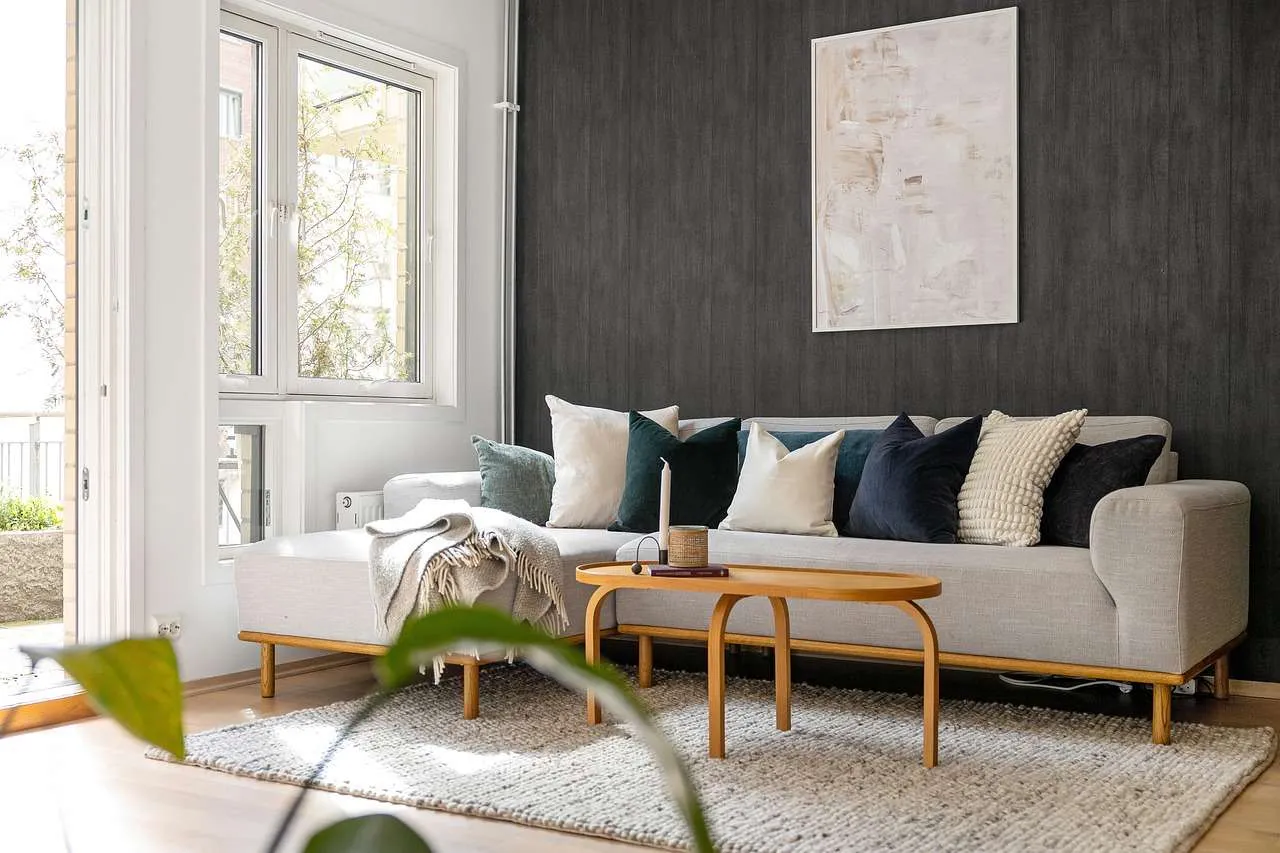
Home window tint is a durable film applied to the interior surface of glass to improve comfort, privacy, and energy efficiency. Modern tints block a large portion of infrared heat and UV rays while allowing natural light to pass through. The result is cooler rooms in summer, warmer windows in winter, reduced glare, and better protection for furniture and flooring. For homeowners, choosing the right home window tint involves balancing heat rejection, light transmission, and aesthetic preferences.
Benefits of home window tint
- Energy savings: Reduces heat gain and cooling loads, lowering utility bills.
- UV protection: Blocks up to 99% of ultraviolet rays, preventing fading of fabrics and artwork.
- Glare reduction: Minimizes bright glare from sun and headlights, improving comfort and screen visibility.
- Privacy and security: Deters peering into rooms and can hold shattering glass in place during impacts.
- Fading protection for interiors: Preserves furniture, carpets, and wood finishes from sun damage.
Choosing the right tint for your home
When selecting a home window tint, consider:
- Visible light transmission (VLT): Higher VLT means more light; lower VLT provides more privacy and heat rejection.
- Heat rejection vs UV blocking: Some films reject heat primarily, while others emphasize UV protection. A balanced option often works best for living rooms and south-facing windows.
- Tint color and appearance: Choose a shade that complements your home’s exterior and interior design.
- Durability and warranty: Look for a professional film with a reputable warranty, typically 10–15 years.
- Cold weather performance: Some films can slightly reduce outward visibility in freezing conditions; verify specifications for your climate.
Types of home window tint
Different film technologies offer distinct advantages. Here are common options:
Dyed window tint
Pros: Inexpensive, good glare reduction, available in many shades. Cons: Can fade over time; lower durability than other films.
Metalized (aluminum) tint
Pros: Excellent heat rejection and strength; reflective appearance can add privacy. Cons: Can interfere with electronics (antennae, some sensors) and may show visible “frosting” in certain lighting.
Ceramic window tint
Pros: Superior heat rejection and UV protection without metal interference; maintains clarity and color. Cons: Higher upfront cost, but strong long-term value.
Carbon or premium carbon-based tint
Pros: Reduces heat with a matte finish, resists discoloration, excellent UV protection. Cons: More expensive than dyed films.
DIY vs professional installation
DIY tinting can be appealing for small projects, but professional installation is recommended for most homes. Experts ensure bubble-free application, proper edge sealing, and long-term durability. Poor installation can cause peeling, distortion, or air pockets that compromise visibility and energy performance. If you opt for a DIY kit, follow manufacturer instructions meticulously and ensure you have a clean, dust-free workspace.
Legal considerations and HOA guidelines
Some jurisdictions and homeowner associations regulate visible light transmission or reflective finishes, especially on street-facing windows. Before purchasing tint, verify local laws and HOA rules to avoid fines or required removals. A professional installer can help you choose compliant options that still meet your comfort goals.
Maintenance and care
Maintenance is minimal but important. Clean tinted windows with a soft cloth and a mild, non-ammonia cleaner to avoid film damage. Avoid abrasive tools, as they can scratch the film. Inspect edges for peeling periodically and have seals checked during routine home maintenance to prevent moisture intrusion behind the film.
Cost and return on investment
Installation costs vary by window size, tint type, and labor. Dyed films are typically the most affordable, while ceramic and carbon options are higher upfront but offer greater energy savings and durability. A well-chosen home window tint can significantly reduce cooling costs in hot climates and extend the life of interior furnishings, contributing to a favorable return on investment over time.
Tint type comparison
| Tint Type | Pros | Cons | UV Rejection | Heat Reduction | Typical VLT |
|---|---|---|---|---|---|
| Dyed | Low cost; good glare control | Fades over time; lower durability | Good | Moderate | 35–75% |
| Metalized | Excellent heat rejection; strong privacy | Possible electronic interference; visible look | Excellent | High | 20–60% |
| Ceramic | Best clarity; high UV protection; no metal | Higher upfront cost | Excellent | Very High | 20–70% |
| Carbon | Dark matte finish; good heat control; durable | More expensive than dyed/metalized | Excellent | High | 25–60% |
Conclusion
Conclusion, home window tint offers a practical, stylish solution to boost comfort, privacy, and efficiency in your home. By understanding tint types, selecting the right level of light transmission, and choosing a qualified installer, you can maximize ROI while staying within local rules. Regular cleaning and maintenance protect the film and preserve clarity over time.