Small Bathroom Ideas: Smart Space Tricks
Small Bathroom Ideas: Smart Space Tricks
Small bathrooms pose a design challenge, but the right approach unlocks space, function, and style. In this guide, experienced designers share practical small bathroom ideas that improve layout, storage, lighting, and durability without a costly remodel.
Smart Layout Strategies for Compact Bathrooms
Begin with a clear plan that preserves traffic flow and plumbing efficiency. Reclaim door clearance with a pocket or sliding door where possible, and position the vanity and toilet to align with existing plumbing to reduce renovation costs. A shower in the far corner or a compact corner unit helps the space breathe and keeps movements fluid.
Vertical storage and zoning
- Use tall, slim cabinets that go to the ceiling to maintain a clean, organized look.
- Define zones for bathing, grooming, and toilet use to reduce clutter in the main field of view.
Door choices and traffic flow
Sliding or pocket doors remove the swing arc from the usable floor area, creating a more open feel. If a door swing is unavoidable, place fixtures to be easily accessible and ensure at least 24 inches of clearance in front of the vanity and toilet.
Color, Lighting, and Finishes that Make a Small Bath Feel Bigger
Light, reflective surfaces maximize perceived space. Choose soft white or cool-gray walls and incorporate mirrors and glass to bounce natural and artificial light. Finish details like chrome or brushed nickel fixtures keep lines clean and the bathroom visually airy.
Mirrors and lighting
Install a large mirror or mirrored cabinet to double the perceived width. Combine overhead lighting with wall sconces at vanity height to eliminate shadows and improve skin tone visibility for daily grooming.
Storage and Organization Ideas
Smart storage is the backbone of small bathrooms. Integrate recessed niches, high shelves, and pull-out organizers to keep essentials within reach without crowding the room.
Vanities and shelves
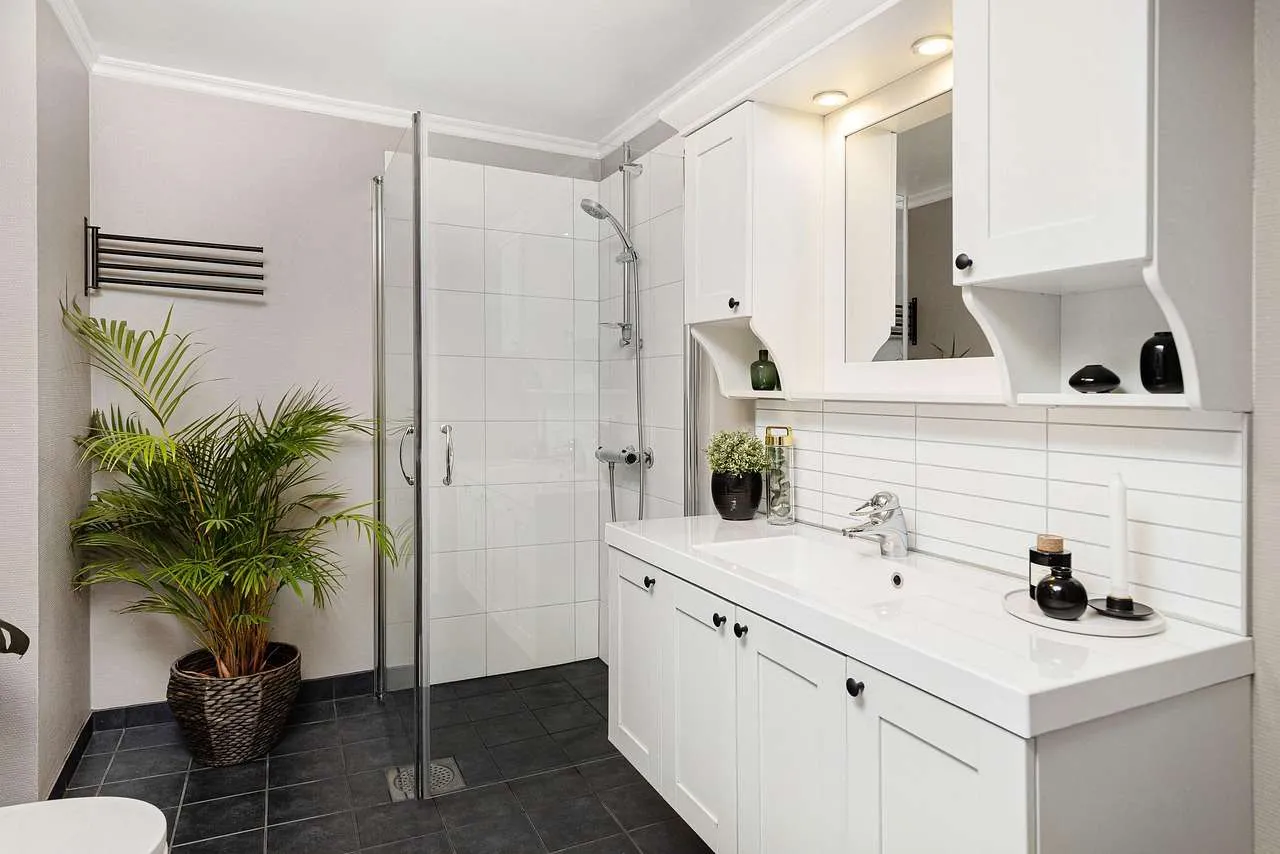
- Choose a slim or wall-hung vanity to free floor space.
- Add open shelves above the toilet for towels and daily items.
Fixtures and Fittings that Save Space
Compact fixtures and space-saving hardware create a calmer, more functional room.
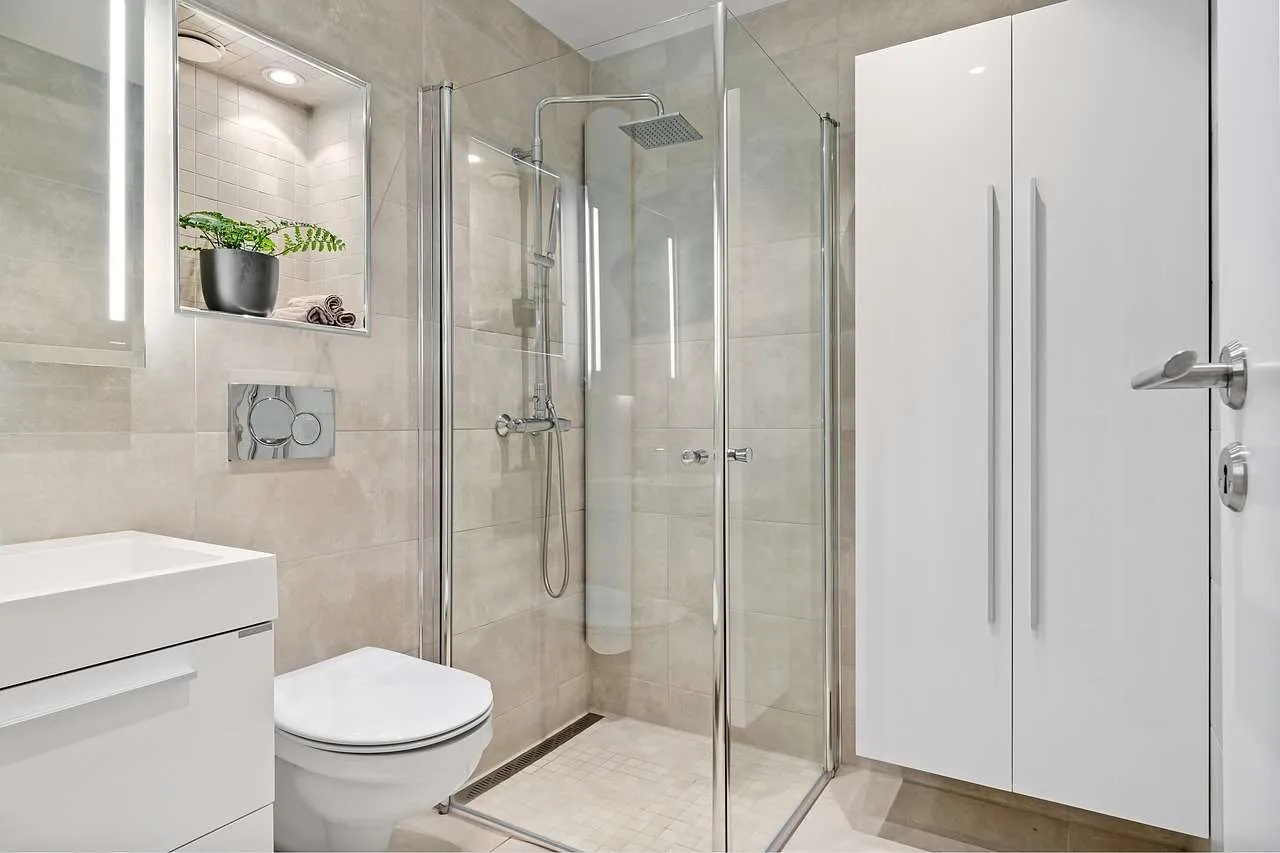
- Wall-hung toilets and vanities reduce floor clutter and simplify cleaning.
- Recessed shower niches and recessed lighting keep surfaces smooth and free of protrusions.
- Use a frameless glass shower to maintain an open look and ease of cleaning.
Materials, Durability, and Budget
Durability matters in wet rooms. Porcelain, ceramic, and porcelain-coated fixtures stand up to moisture and daily use. For floors, choose slip-resistant tiles with a small-format pattern to create the illusion of depth and coverage. Plan a realistic budget that prioritizes essential updates like plumbing, waterproofing, and a quality vanity.
Comparison of Key Ideas
| Idea | Best For | Pros | Cons | Cost Range |
|---|---|---|---|---|
| Pocket door | Entryway clearance | Maximizes floor space; clean lines | Higher installation cost | $600–$2,000 |
| Floating vanity | Open feel | Visual lightness; easier cleaning | Limited storage if shallow | $300–$1,200 |
| Recessed shower niche | Shower storage | Keeps products accessible without clutter | Waterproofing required | $50–$300 |
| Recessed lighting | Low-profile illumination | Flush surfaces; reduces glare | Installation complexity | $100–$400 |
| Mirrored medicine cabinet | Storage + light | Dual purpose; brightens space | Depth limited | $100–$400 |
Practical Budget Plan
Start with essential updates first—waterproofing, plumbing, and a solid vanity—then phase in cosmetic upgrades like paint, lighting, and accessories. In many cases, upgrading a single large mirror, adding recessed niches, and replacing a standard vanity can deliver a noticeable return without breaking the bank.
Conclusion
Conclusion, thoughtful layout, recessed storage, and compact fixtures can transform a small bathroom into a comfortable, functional space while maintaining style.